
How to Start a Family Legacy Project
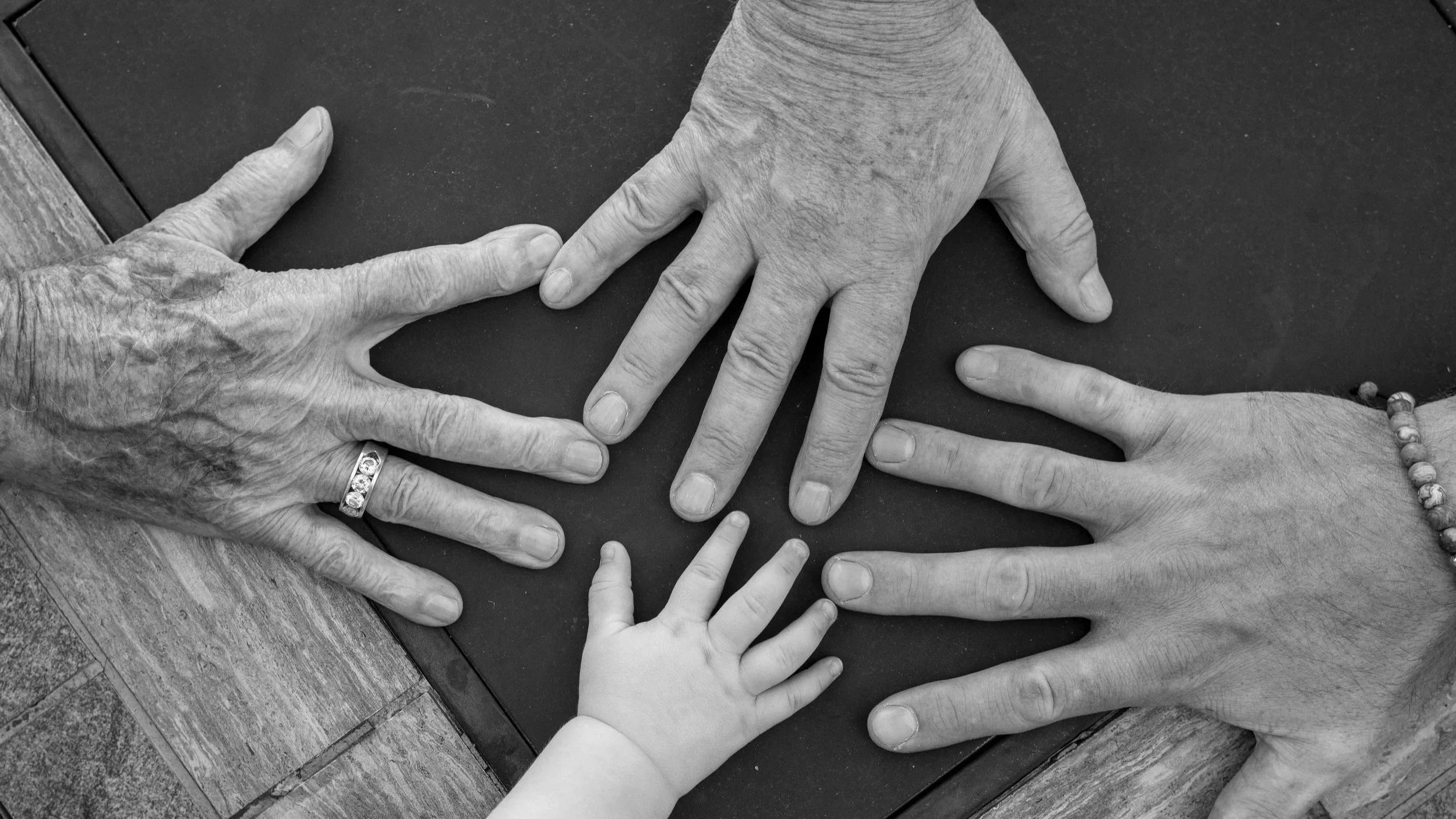
Most people hear the word “legacy” and immediately think about money and assets.
Inheritance. Businesses. Real Estate. Trusts. Estate Plans.
Those things matter—but they’re not the most important thing.
Legacy is what your family lives, not just what it leaves behind.
And if you don’t define it intentionally, it will get defined accidentally—by culture, by busyness, or by lack of communication.
That’s why I encourage families to think about something I call a Family Legacy Project.
Not a one-time exercise. Not a perfectly polished document.
An ongoing, evolving effort to answer one question:
“What does it mean to be part of this family?”
If that feels heavy, good! It should. But it’s also more approachable than you think.
Let’s break it down.
Start Here: Your Family Mission Statement
Every strong organization has a mission.
Very few families do.
That’s not because families don’t care—it’s because no one ever taught us how to create one, and the busyness of life often gets in the way.
A family mission statement isn’t about sounding impressive. It’s about being clear.
Clear about:
What you value
How you treat people
What you’re building together
If you’re stuck, don’t try to write the “perfect” version.
Start by asking better questions:
What do we want our kids to remember about growing up in this house?
What do we stand for when things get hard?
What kind of people are we trying to become?
What role does each family member play to help our mission?
What does each family member need to operate at their best?
Write down the answers. Look for patterns. Keep it simple.
A strong mission statement should feel like something you can actually live—not something idealistic that you frame and forget.
Build Traditions That Reinforce It
Here’s where most families miss the mark.
They occasionally say what matters in the moment… but they don’t build anything that reinforces it. There’s no consistency, and that means there is no clarity.
Traditions are where your values become tangible.
They don’t need to be elaborate. They need to be consistent.
If your family values generosity:
Maybe it’s a monthly giving conversation at dinner
Maybe it’s serving together once a quarter
If your family values growth:
Maybe it’s a yearly goal-setting day
Maybe it’s celebrating effort and innovation, not just outcomes
If your family values connection:
Maybe it’s a weekly family dinner that’s protected no matter what
Maybe you take each child out on a daddy/mommy date monthly
Traditions are powerful because they remove the need for constant decision-making.
They quietly shape individual and family identity over time.
The goal is to transition from tasks to habits and then from habits to traditions. Your core traditions should always help align your family with your mission.
Make It Visible (and Revisit It Often)
If your legacy plan only exists in your head, it won’t last.
Write it down. Share it. Talk about it often. This brings accountability, clarity, and drives progress.
You don’t need anything fancy:
A one-page document
A note on your fridge
A simple PowerPoint
💡Pro tip – We like to have a digital copy for easy updates that we can print out as needed for each family member. Some families even have their mission statement nicely framed and give it to members at predetermined ages or milestones. Fridge notes are great, quick reminders to encourage and help the family keep its eye on the ball.
And here’s the part too many people skip:
Revisit it regularly.
Your family will grow. Your priorities will shift. Life will change.
Your legacy project should evolve with it.
Set a simple rhythm:
Once a year, revisit your mission
Ask what still feels true
Adjust what doesn’t
Lay out an action plan for the new year together
This isn’t about getting it “right.”
It’s about staying intentional and connected.
💡Pro Tip - Make your family meetings fun! If you agree to do an annual meeting, go somewhere the family looks forward to and make the meeting a part of quality time together. If you are doing monthly huddles, set an exciting meal plan or event that everyone enjoys. If you are looking forward to it, you are more likely to do it and stick with it.
You Don’t Have to Have It All Figured Out
A lot of people don’t start because they feel unqualified.
They think:
“I didn’t grow up with this.”
“I wouldn’t know where to begin.”
“What if we get it wrong?”
Here’s the truth:
Doing this imperfectly is infinitely better than not doing it at all.
Your kids don’t need a flawless framework.
They need to see that:
You care about your family outcomes
You’re willing to have meaningful conversations
You’re trying to build something bigger than yourselves
You want everyone to be on the same team and play a valuable role
That’s a real legacy. It’s not stuff. It’s people. Locking arms and deciding to do more in life together than you could ever do apart. Making memories and creating moments along the way.
Start Small. Start Now.
If you only take one thing away from this conversation, this is it:
You don’t need a completed plan right away.
You need a starting point and clarity on your next step.
This week, you could:
Ask one intentional question at dinner for open discussion
Write down three values that matter to you
Start a simple tradition
That’s it.
Momentum matters more than perfection.
Because years from now, your family won’t remember the document you created.
They’ll remember what it felt like to be part of something meaningful. That is built through small steps, curated moments, over time.
If you’re ready to take the next step, we've put together a Family Legacy Project Guide to help you turn these ideas into action. You are not alone in this. Call us if you need us, and we will figure it out together.
Final Thought
You don’t build a legacy in a day.
You build it in a series of moments.
Conversations. Decisions. Traditions. Progress.
Start small. Stay consistent.
That’s how something meaningful takes shape over time.